

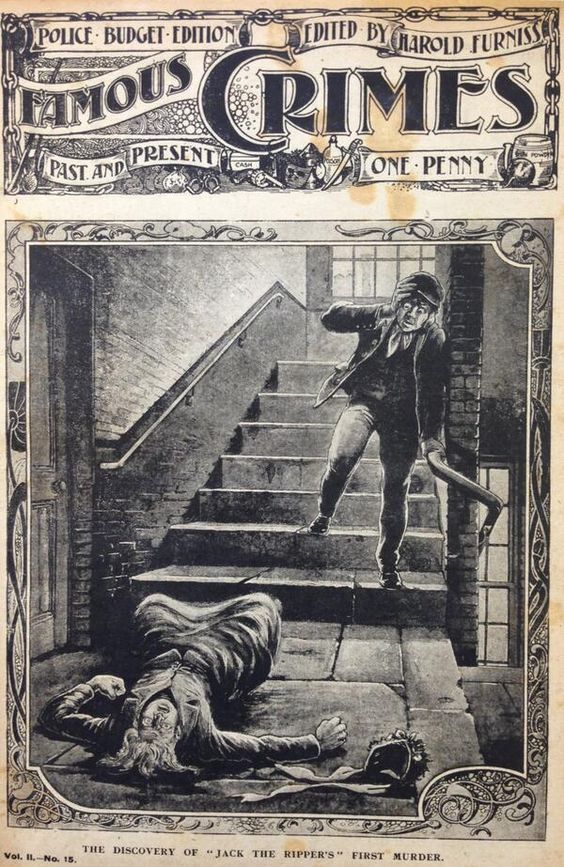
Best are those with minimal blood: perhaps poison, asphyxiation, or even strangulation.
But even better is the off-camera death, where we don’t see the victim stalked by their killer.
Oh, I like a murder that feels staged—and that’s also available on Netflix.
My husband and I watch at least three murder mysteries a week, usually of the BBC variety: Midsomer Murders or Marple, Sherlock or Foyle’s War. In between, I devour mystery novels, reading through each author’s life’s work until I run out of installments. Then I search for a new supply.
I’ve wondered why I like consuming so much death. At home, I avoid killing spiders. I am frightened of heights, roller coasters, and creepy children’s movies. I’ve never watched a horror flick.
Even so, I like watching people bite the dust.
For a long time, I thought I was attracted to them because of their tidiness and rules.
Murder mysteries are all about rules. They have conventions, obligatory scenes, and a predictable arc. There’s a red herring and clues, an investigator, and the big reveal at the end.
I assumed I loved predictable stories because if things must go horribly wrong, I prefer them to go wrong predictably.
As a child, I learned that life is anything but predictable. Bad news comes out of left field; mysteries do not always get solved by the commercial break; a coherent narrative does not unspool itself on cue.
Perhaps that’s why I clung to rules so fiercely for so long.
I was over at Sick Pilgrim yesterday, musing about the odd attraction of senseless killing–and how, against all odds, it leads me back to God. Join me?





 Letting Go of My False Beliefs About Anxiety